
| On view: | September 26, 2026-September 24, 2028 |
| Opening Reception: | Saturday, September 26, 2026 |
High Resolution Images • Press Release
Exhibition Overview
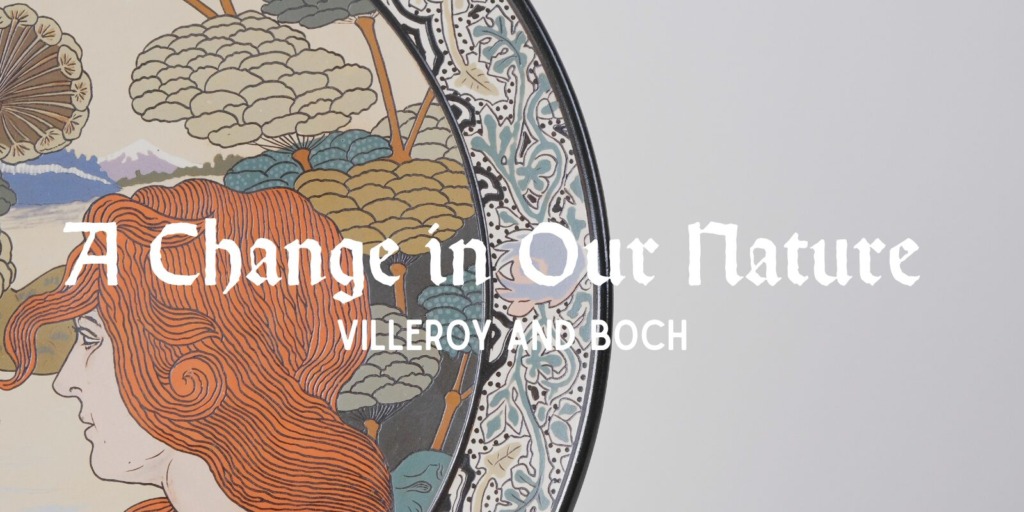
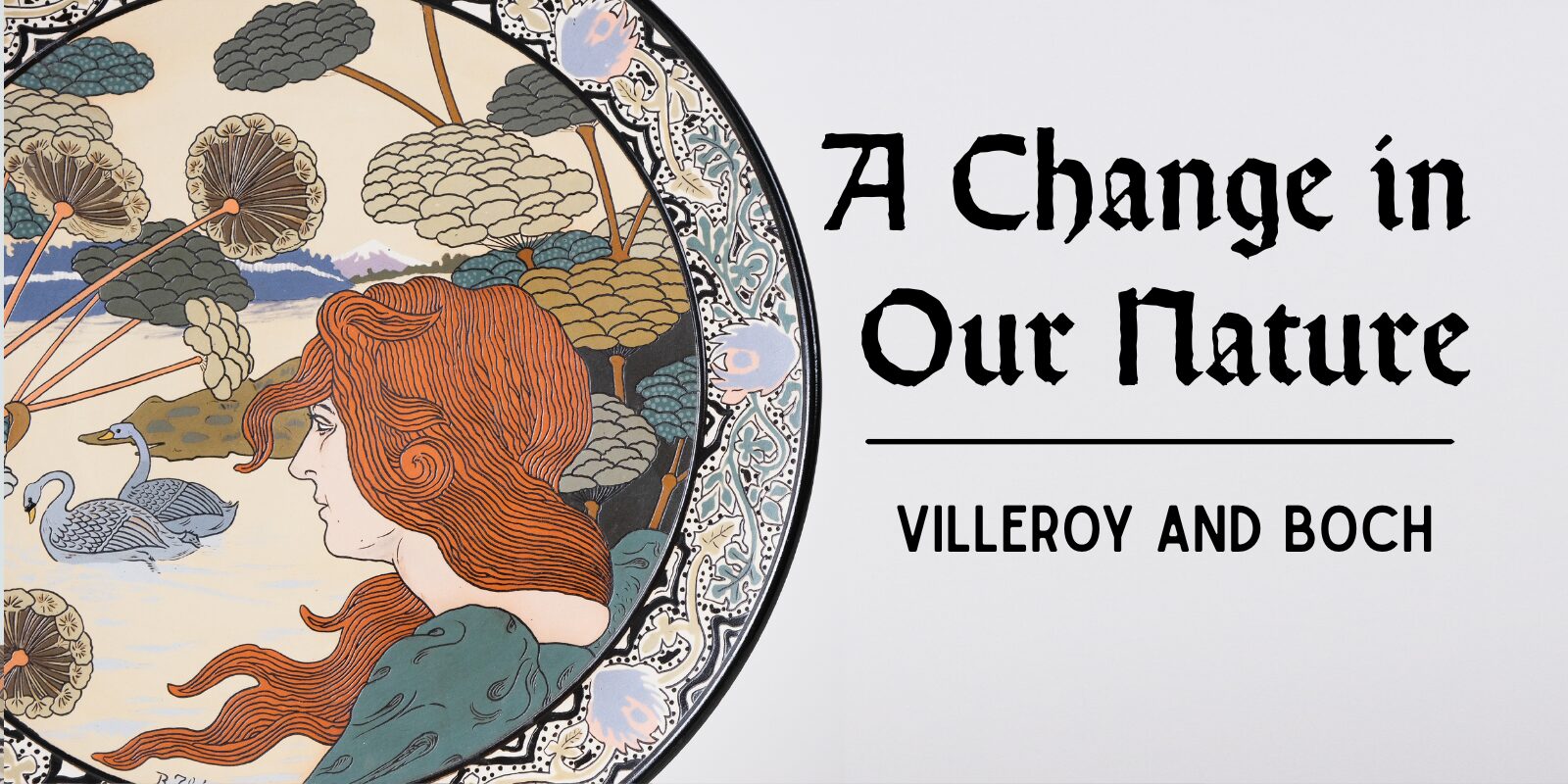
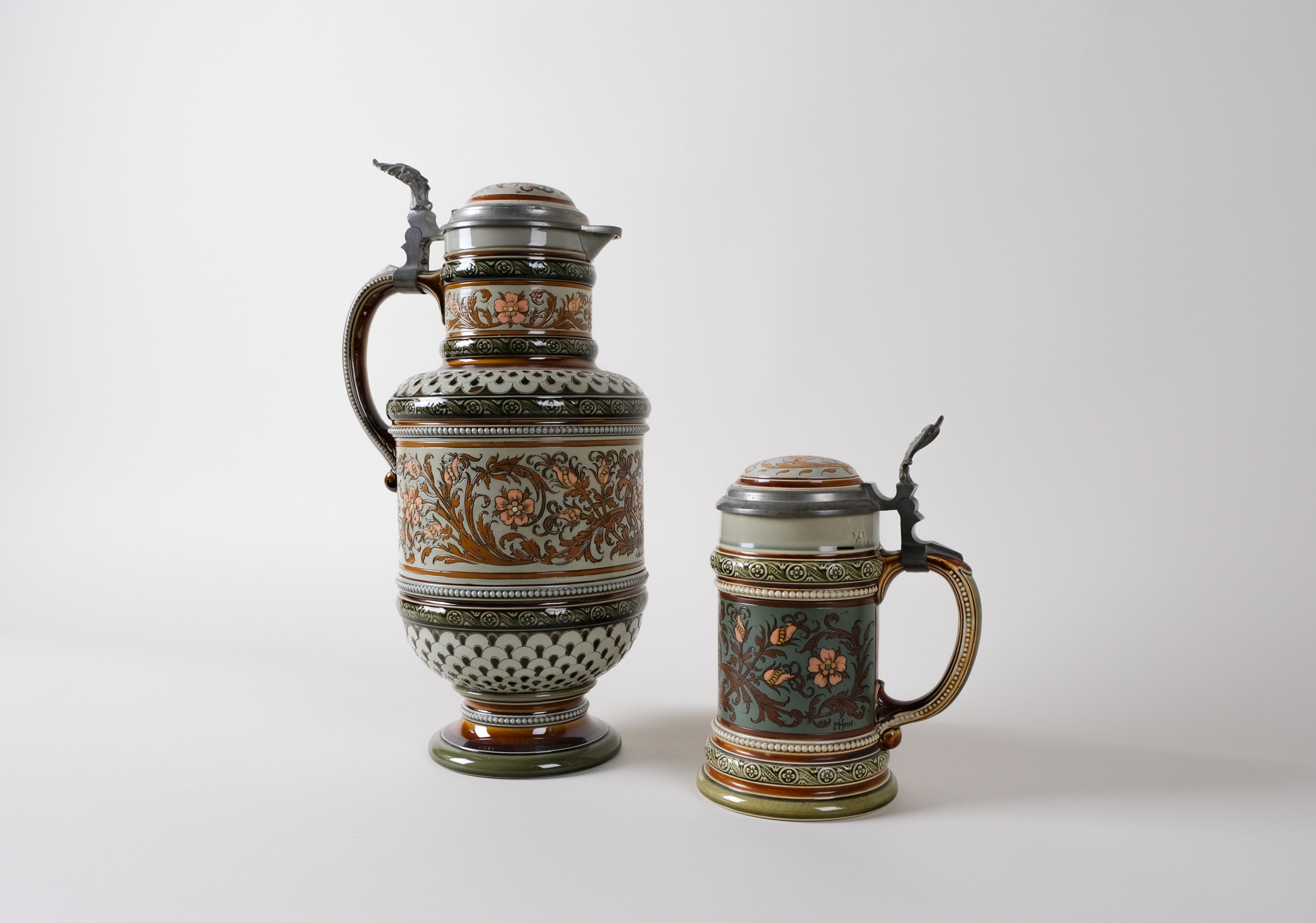
Through ceramic works produced at the Villeroy & Boch factory in Mettlach, Germany, A Change in Our Nature traces the evolving conceptualization of nature amid industrialization.
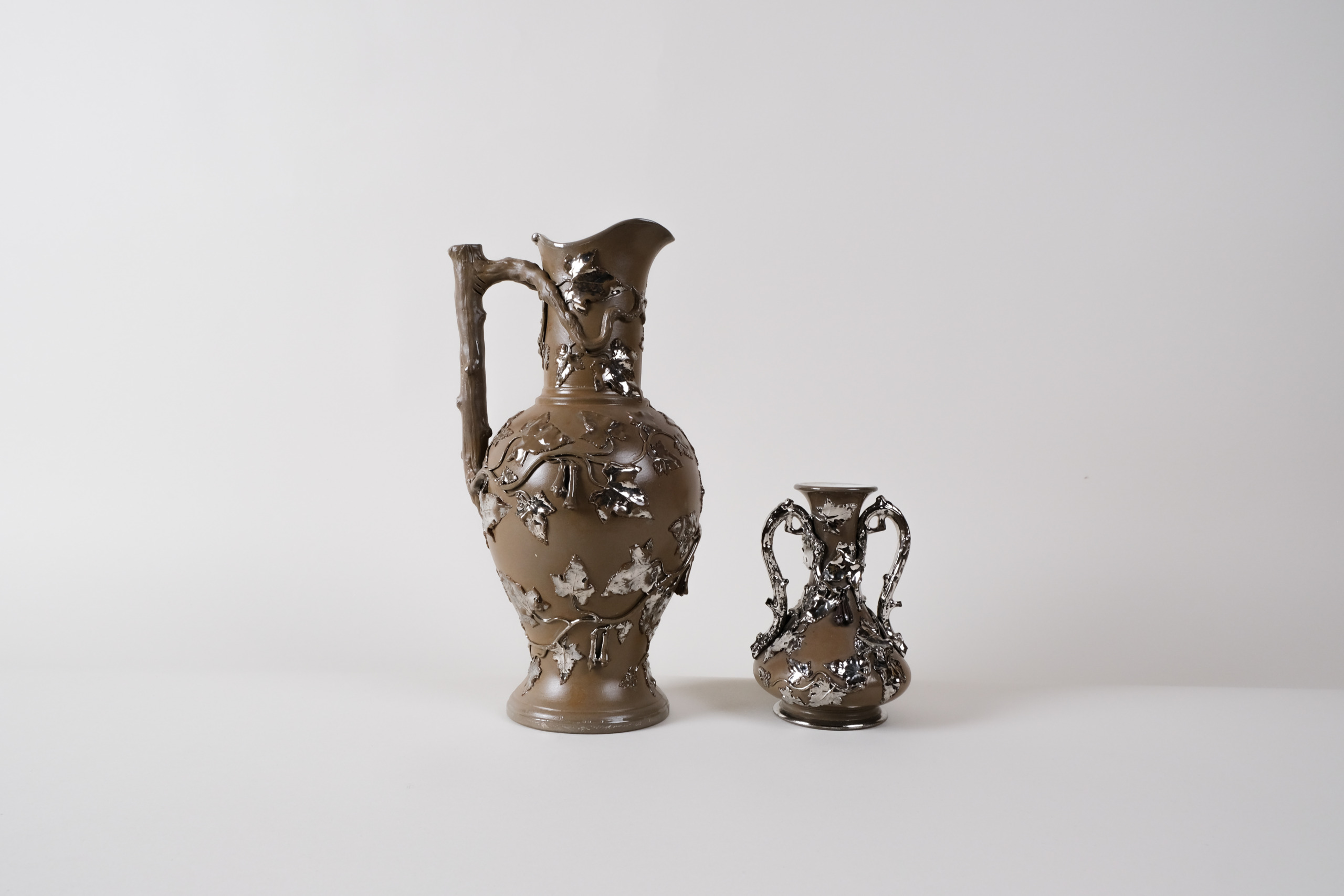
The Villeroy & Boch company was founded in 1836 through a merger between two competing ceramics factories owned by Nicolas Villeroy (1759-1843) and Jean François Boch (1782-1858). The company went on to pioneer the combination of art and industry with a staff of skilled artisans whose innovative works provide a glimpse into life in industrial-era Germany and its changing relationship with the natural landscape.
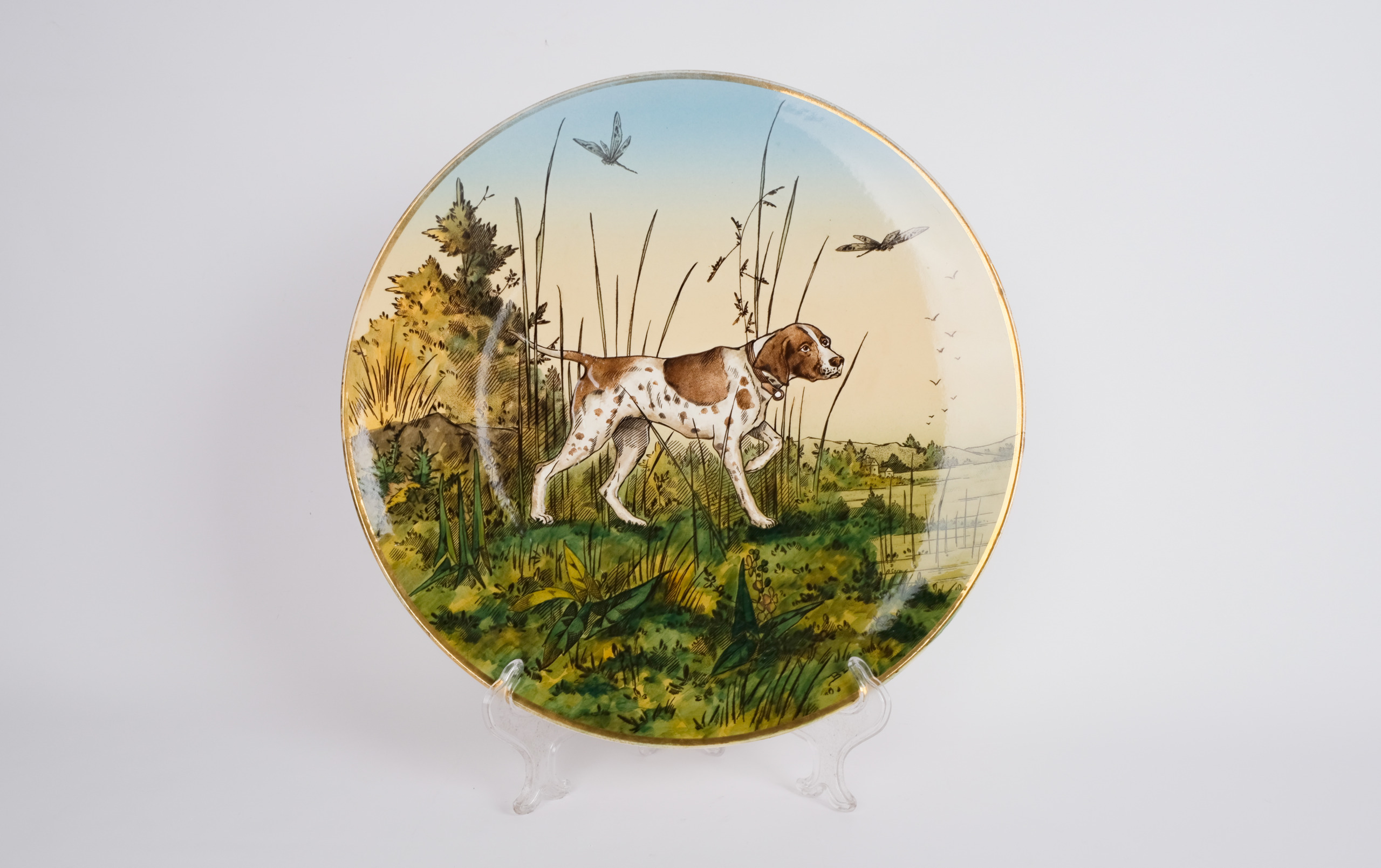
The Mettlach artists’ styles shifted over the 80-year period during which the factory operated before a fire destroyed it in 1921. While fewer people labored outdoors, depictions of nature became a playground for the imagination. Many Mettlach artists were influenced by the Romanticism movement, reacting against industrialization and the Enlightenment’s emphasis on the technological and mathematical. Romanticism fixated on ideas of folk culture and the medieval period, creating a new idealized image of nature through the lens of the past. The push and pull of people’s opinions on industrialization influenced Mettlach’s imagery. Early works were organic and asymmetrical; later works took on strict symmetry and abstraction. Art Nouveau reintroduced flowing curvilinear motifs and asymmetry while preserving certain elements of pattern and abstraction. The designers continually adapted to the tastes of the time and visually showed the rise and fall of interest in several philosophical and artistic movements.
Production methods and subject matter also shifted from suiting the preferences of the elite to catering to the rapidly growing middle class as the Industrial Revolution reshaped the economy. While expensive-to-produce Chromolith pieces awed attendees of World Fairs and Expositions across Europe and the US, they were phased out in favor of more affordable options such as etched or print-under-glaze designs. The changing economy shifted the target audience, and with it changed the form and style of the works produced. A Change in Our Nature underscores historical ceramic shifts that occurred post-industrialization: visual, philosophical, and economic.
Exhibition Curator: Hayden Walker, Project Registrar & Curatorial Assistant for AMOCA’s Robert & Colette Wilson VBM Collection.
A Change in Our Nature will be on view in the Robert and Colette Wilson Gallery at AMOCA September 26, 2026–September 24, 2028.
Acknowledgments
This exhibition is funded, in part, by the Robert D. and Colette D. Wilson Fund, along with grants from the Dew Foundation and the Ralph M. Parsons Foundation.
Bring Some Culture to Your Inbox
399 N Garey Ave Pomona, CA 91767
909.865.3146 | info@amoca.org
The museum is open Fridays, Saturdays, and Sundays, 11 AM–4 PM. Plan your visit by clicking here.
For information about Ceramics Studio hours and availability, please click here for the Ceramics Studio.